


Retreat organizers spend months on the venue, the speakers and the schedule, then figure out food the month before. It shows. Food is what guests talk about at every break, and on a multi-day retreat in the desert it decides whether people have energy for the afternoon session. This guide is the checklist we wish every organizer had before they called a caterer for a retreat in Palm Springs, the Coachella Valley or Joshua Tree.

Step 1: Decide what “catering” means for your retreat
There are three common setups, and choosing one first saves a lot of back-and-forth:
- Full stay: a private chef cooks every meal on-site, breakfast through closing dinner. Best for wellness, yoga and leadership retreats where the schedule is tight.
- Anchor meals: the chef handles dinners and one big brunch; guests self-serve a stocked kitchen for breakfast and lunch. Cheaper, more flexible.
- Drop-off plus one dinner: trays for working lunches, with one chef-cooked celebration dinner. Common for corporate offsites.
Step 2: Map meals to the schedule
Retreat food should follow the program, not the other way around. Build a grid before you talk to anyone:
| Time | Program | Food that fits |
|---|---|---|
| 7:00 | Morning practice or walk | Coffee, tea, fruit, something light before; full breakfast after |
| 9:00–12:00 | Sessions | Water stations, a mid-morning snack |
| 12:30 | Lunch | Bowls, salads, soups: filling but not heavy |
| 3:00 | Afternoon block | Hydration and a salty snack in the heat |
| 6:30 | Dinner | Family-style; this is where the group bonds |
| Last night | Closing | A celebration dinner, maybe a dessert moment |
Share this grid with the chef. It tells them when the kitchen needs to be quiet, when food has to be on the table, and where there’s room for a longer meal.
Step 3: Collect dietary needs early and once
Put dietary questions on the registration form: allergies (with severity), vegan or vegetarian, gluten-free, dairy-free, and anything the guest wants the chef to know. Send the chef one compiled list two weeks out. The best retreat menus build one base that most people can eat and add targeted swaps, rather than five versions of every dish. Read more about allergy-friendly menus and plant-based private chef options.
Step 4: Check the kitchen
Most retreat houses have a home kitchen, not a commercial one. Ask the venue for photos and these specifics: number of ovens and burners, fridge and freezer space, counter room, dishwasher, and whether there’s a second fridge or an outdoor grill. A chef can work with almost anything if they know ahead of time.
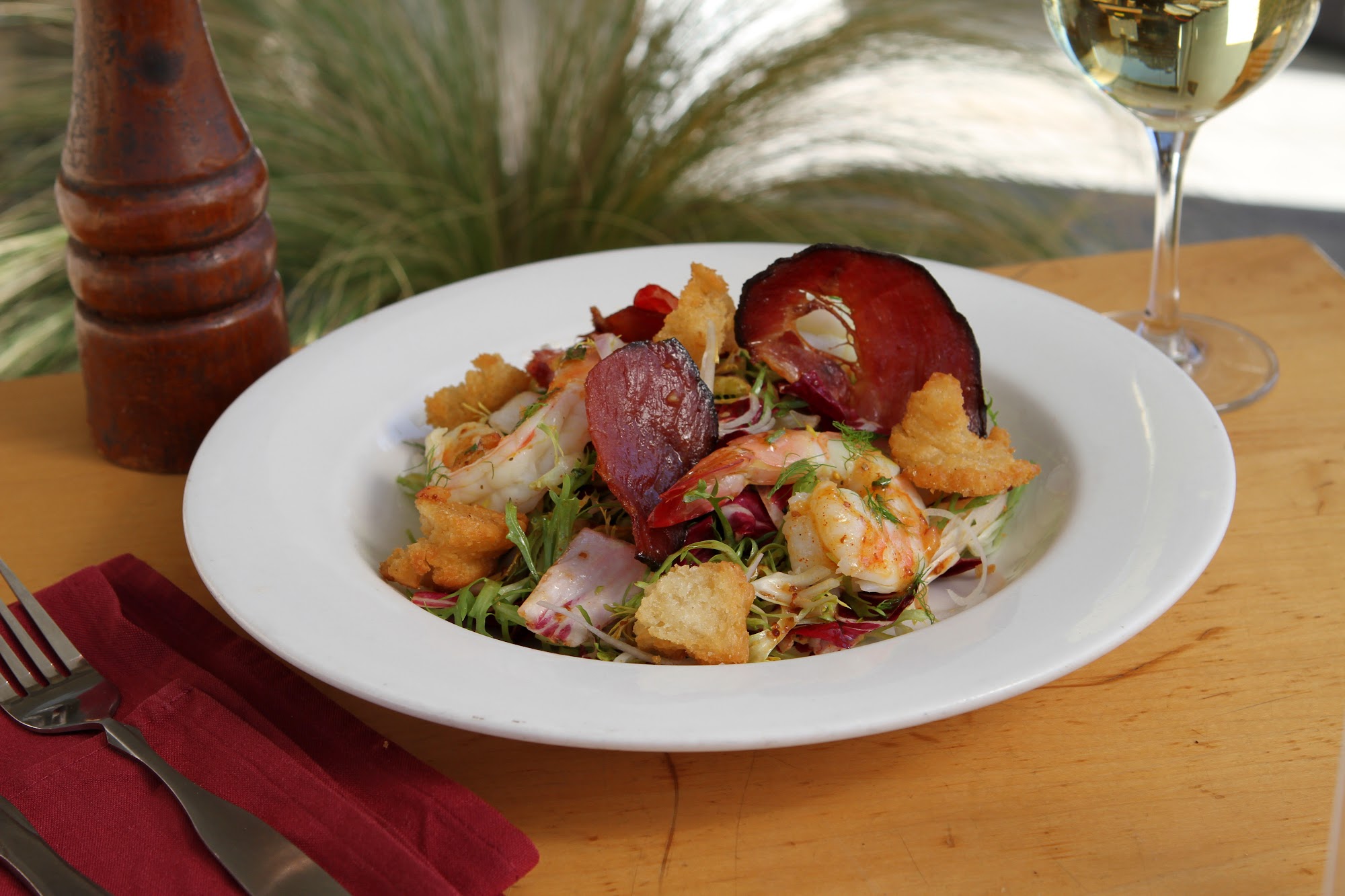
Step 5: Plan for the desert
- Heat changes appetite. Lighter lunches, more cold dishes, more salt and water from October’s warm days through spring.
- Hydration is part of catering. Infused water, electrolyte options and iced tea between sessions.
- The High Desert is different. Joshua Tree and Yucca Valley run cooler, especially at night, so warm dinners and soups land well. Planning there? See our Joshua Tree group trip food guide.
- Distance matters. Some Joshua Tree retreat houses are a long drive from a full grocery store, so the chef will plan shopping trips carefully.
A sample three-day retreat menu
Day 1 dinner: Lemongrass chicken or tofu, jasmine rice, herb salad, charred greens
Day 2 breakfast: Coconut chia pudding, eggs, roasted potatoes, fruit · Lunch: Grain bowls with pickled vegetables · Dinner: Miso-glazed salmon or mushroom risotto, seasonal vegetables
Day 3 brunch: Frittata, citrus salad, yogurt and granola · Closing dinner: Family-style feast and dessert
An example only. Every retreat menu is written for the group.
Step 6: Ask the right questions
- Is the quote per person per day, per meal, or flat?
- Are groceries included or billed at cost?
- How many staff come, and do they serve and clean?
- What happens if headcount changes the week before?
- Can you show menus from past retreats?
Where we cook retreats
Chef Tien cooks retreats at houses and venues across Palm Springs, Rancho Mirage, Palm Desert, La Quinta, Desert Hot Springs, Joshua Tree and Yucca Valley. Hosting a corporate group? He also handles corporate team meals. Full details on our retreat private chef and catering page.
“He was incredibly easy to work with, helped plan all the details ahead of our dinner and created an experience and meal all 24 of our guests loved.” — Edward G., via Take a Chef
Retreat catering FAQs
How is retreat catering priced?
Usually per person per day, or per meal for partial coverage. The main variables are headcount, how many meals a day, dietary complexity and whether groceries are included. Ask for a full-stay quote rather than adding up single meals.
Can one chef cook every meal for a retreat?
For groups up to roughly 15 to 20, yes, with some prep done ahead. Larger retreats or tight session schedules usually need an assistant.
How do you handle mixed dietary needs on a retreat?
Collect them on the registration form, not by email the week before. A good retreat menu builds one base meal that works for most diets and adds a few targeted swaps, instead of cooking five separate dinners.
What’s the best season for a desert retreat?
October through May. Summer days in the Coachella Valley are very hot, which changes both the menu and the schedule. The High Desert around Joshua Tree runs cooler.
Can the chef add a cooking class to the program?
Yes. A hands-on session works well as an afternoon activity or a closing-night dinner the group cooks together.
Planning a retreat in the desert? Send your dates, venue city, headcount and schedule.